The Preparation
Cover all of the little details to avoid interruptions during your trip.
With all the research done so far, everything could go perfect, but there are still things you can do at home to save time abroad and make a trip fly smoother.

Wikivoyage: Understand, Eat, Drink
Returning to Wikivoyage, you can find additional sections for Understand, Eat, and Drink that can provide context to places you will soon visit. You may have seen similar content in guide books, but Wikivoyage has condensed summaries of the history, climate, and cuisine that can guide the final sections of your planning.

Spreadsheet: Foods to Try
Another adventurous sheet to add to your workbook is Foods to Try. Hopefully, you found some recommendations in guide books, wikivoyage, or other media about foods that are more endemic to that region (i.e. khao soi in northern Thailand) or are synonymous with that city/country (i.e. pizza in Naples). Keep a list of dishes, ingredients, desserts, and drinks that you can seek out on a menu, on a street cart, or continue to look up restaurants that offer these items.

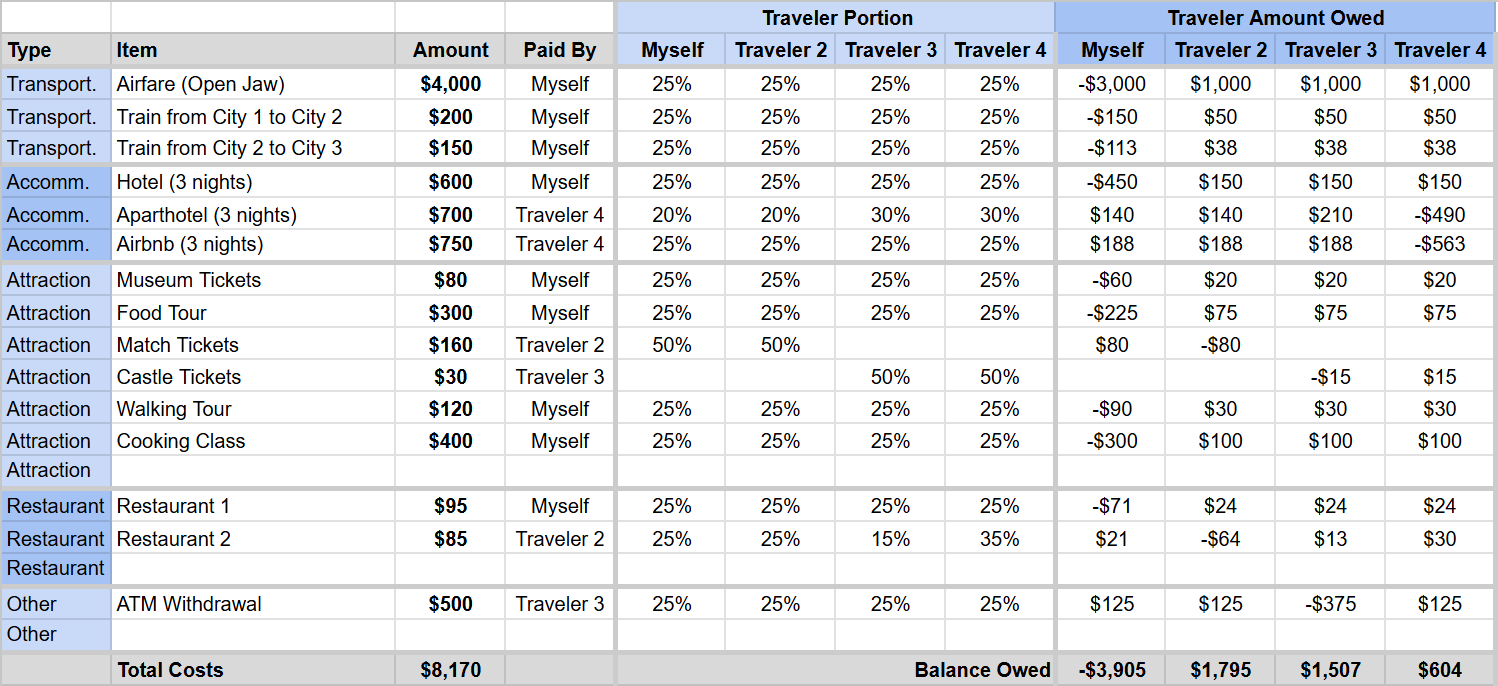
Spreadsheet: Costs
You or someone in your travel group has likely reserved a few items for your trip ― flights, hotels, and maybe some tours or transportation tickets. If it's important that everyone pays their fair share of the trip, create a new sheet to track what has been purchased, what will be charged (i.e. hotel on arrival), and attractions/items bought on the trip.
You can even assign specific distributions if not all of the group is doing an activity, two people get the better room in a shared apartment, or someone orders far more caipirinhas at dinner.
After the trip, each person can their check bank and credit card statements to fill in the rest as best they can, or you can update your sheet when the bill comes. If one person has paid for a majority of the group's items, each travel companion can simply pay that one person. If two people paid for most things, someone will have to square up with both people.
Phone with Sim Card
If you plan to have a data plan while on your trip, research the available carriers and how to best obtain their plans. Most phones can now receive data through eSims without having to stop in a mobile phone store for a physical sim card.
eSims (Airalo, Saile) are useful if you need to contact locals or businesses, like an Airbnb host, a hotel desk, or others in your travel group.
There are downsides of having mobile—you can easily become distracted by the same apps or sites at home, or you spend time researching restaurants that you could have looked up before your trip. You can usually find wifi at airports, cafes, or hotels.
There is a charm to traveling like people did before the 21st century. Make meetup plans with your group before separating or use charades with locals to describe the food you're trying to find.

Offline Maps
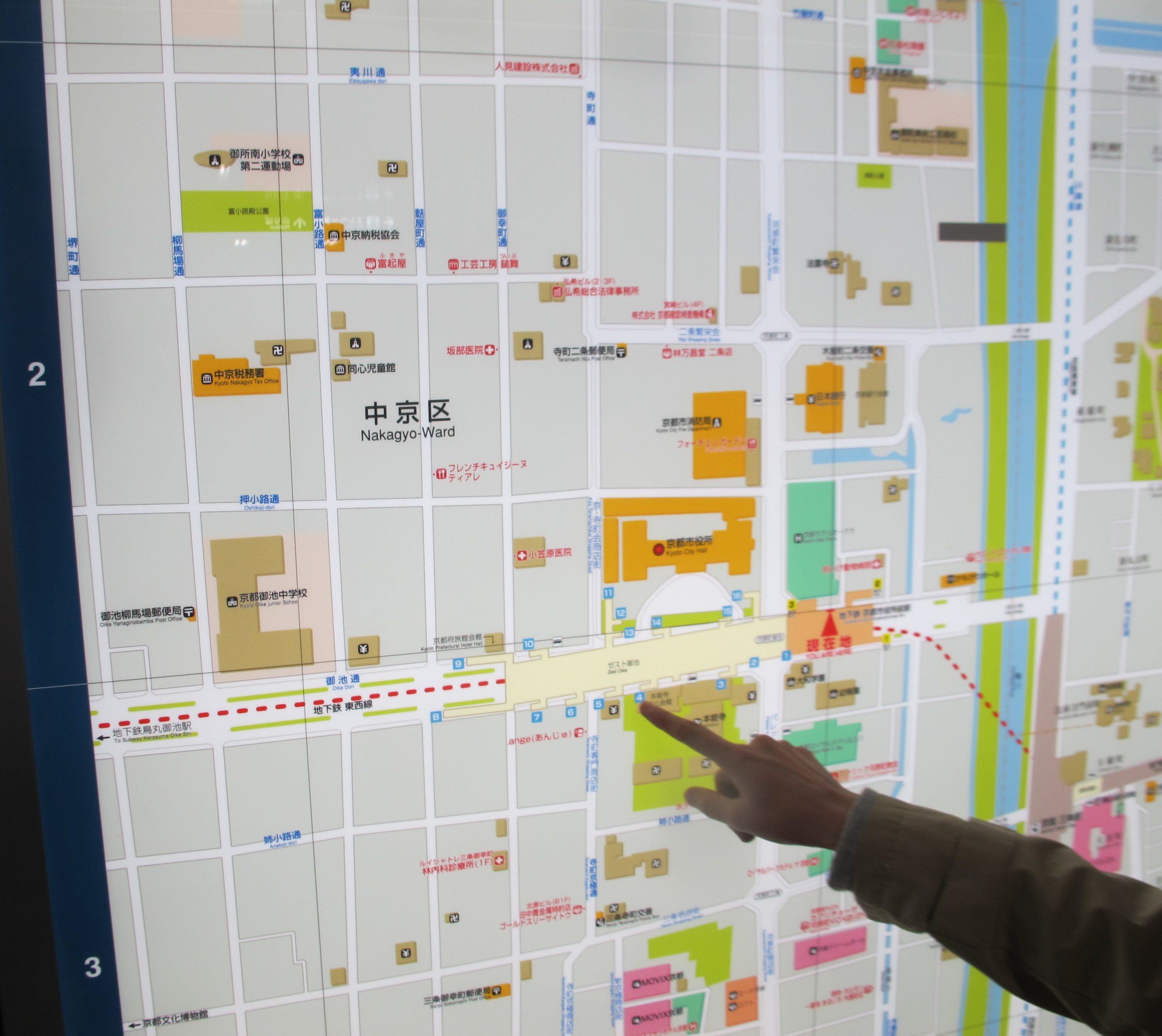
Regardless if you get an eSim or not, download an app or sections of your trip into offline maps. If mobile signal is spotty or you prefer to get around without a data plan, the fallback of having detailed maps in your pocket is invaluable. At the very least, you can navigate a city by street and built-in compass. Some offline maps have basic search features built in like Maps.me or Google Maps.
Create Language Cheat Sheet
If you're reading this, you are already well equipped to travel almost anywhere in the world. Even still, if you’re traveling to regions where English is not the primary language, it’s useful to have several of the most common words and phrases on a cheat sheet.
Travel guide books are good about including common phrases in the appendix area. Make sure it includes phrases for "hello/good day," "thank you," "yes," "no," "this," "that," numbers, names of some common foods or ingredients (beef, pork, any allergens), and how to use transportation.
If English is not prevalent at all, consider other options to get by:
- A notepad for drawing pictures or words to be translated
- A mobile data plan to translate on the fly
- A hired driver or guide to take you to the things you want to see
Travel Television Shows
Rick Steves is a staple in travel guides and has quite the library of shows dedicated to European destinations available on PBS. The shows are light-hearted travel documentaries, so while they may have good suggestions on attractions, they are aimed at getting a sense of the cities and how to best enjoy them. Rick Steves also has an app with audio tours and other city guides that are nice to download and listen to on flights or walking around specific sections of a city.
Anthony Bourdain’s “No Reservations” and “Parts Unknown” help to bring cultural understanding of a destination through food and Bourdain's dry wit.
“Somebody Feed Phil” is the warm hug of travel docs as Phil Rosenthal takes you around different cities to meet interesting chefs and their fantastic dishes.
Pet and Plant Care
If you have living things at home that need to be cared for while away, make sure you have a plan in place for someone to take in your pets or come over to help pet sit your four-legged ones. Have a potential fallback option (like a pet hotel) if your pet sitter has to suddenly change plans right before or during your trip.

Check Bag / Food Policies
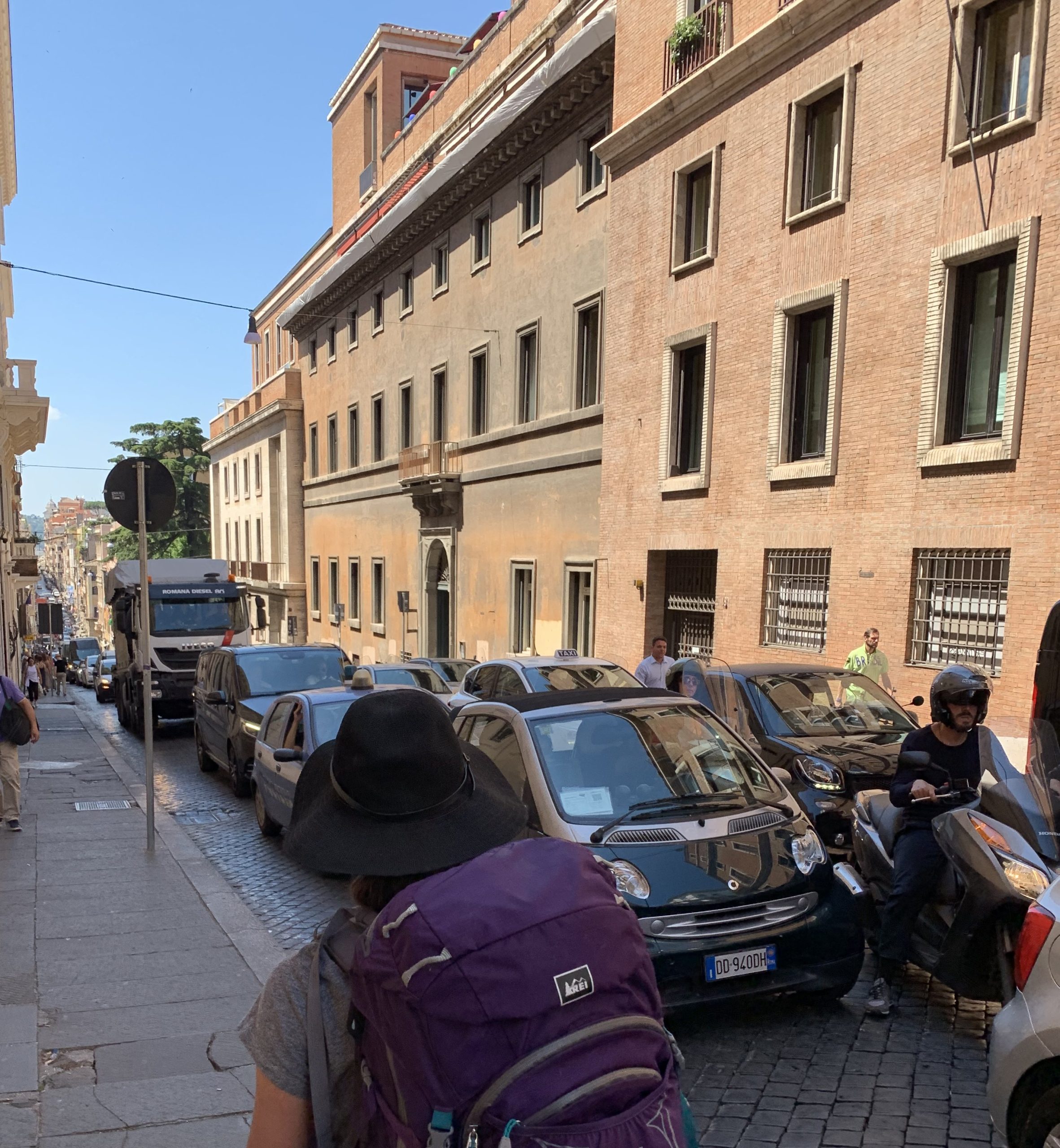
If you come straight from a plain or train with all your luggage, some attractions (like museums) may not permit you to enter. Facilities have different policies about guests carrying or storing bags. Look up what is allowed and plan your day accordingly.
Hotels can store luggage before and after your stay. Sporting events, concerts, and theme parks can be even stricter about bag size or any food brought in.
If part of your day requires you to have a bag that is not permitted or it takes too much time to drop off at your hotel, others hotels and facilities can rent their space to store your bags.
Clear Space on Phone
Most travelers like to take a lot of pictures and videos to remember their trip, but make sure you have a decent amount of space before you leave. Delete apps and large attachments or move photos somewhere else. A cloud backup can help manage your space and save trip photos if you were to lose your phone mid-trip.

Packing
The biggest and most important step of preparing for a trip is packing all of the things you’ll need and may need. It is a balancing act of packing efficiently so you can haul your belongings quickly and making sure you don’t have to make several stops to the pharmacy, shoe store, or convenience store. In general, a 40-60 liter backpack offers the comfort to carry all your stuff on the go and still fit in the overhead bin.
Below are general, very inclusive packing lists, but this is a place where GenAI can generate a more dedicated list (i.e. "packing list for 15-day Kenya safari"). Always use your human intuition to check for accuracy though.
Go through your itinerary by day and mark what kind of items you will need (i.e. casual, dressy, swimwear, light, snow gear). This will help organize what you pack in total or between laundry loads.
If you don't need travel items prior to your trip, start placing them off to the side, organized in piles by their eventual container (i.e. main bag, small bag, toiletries).
Contact Info on Lock Screen
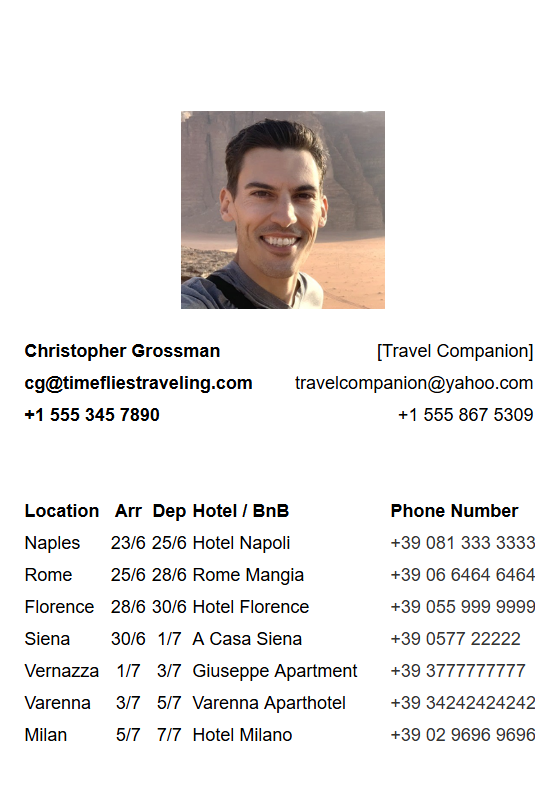
Besides injury, one of the worst-case scenarios for any trip is losing your wallet, passport, or phone. You can help get a lost phone back quicker if you place contact information on the lock screen wallpaper, so that anyone who picks up the device can locate the owner visually, contact a travel companion, your current hotel, or even contact a future hotel to make plans to reunite you and the phone.
Outlining your travel schedule can let the finder know where you're staying and where you'll be next, if it makes sense to drop off your phone (and perhaps any accompanying bags) at your current hotel or have your phone shipped to the next hotel on your trip.
Place a Mail Hold
Prevent your mailbox from filling up or potential packages being left at your residence for days by placing a hold with the US Postal Service. You can specify when the hold starts and when to resume.
Check: News, Strikes, Disasters
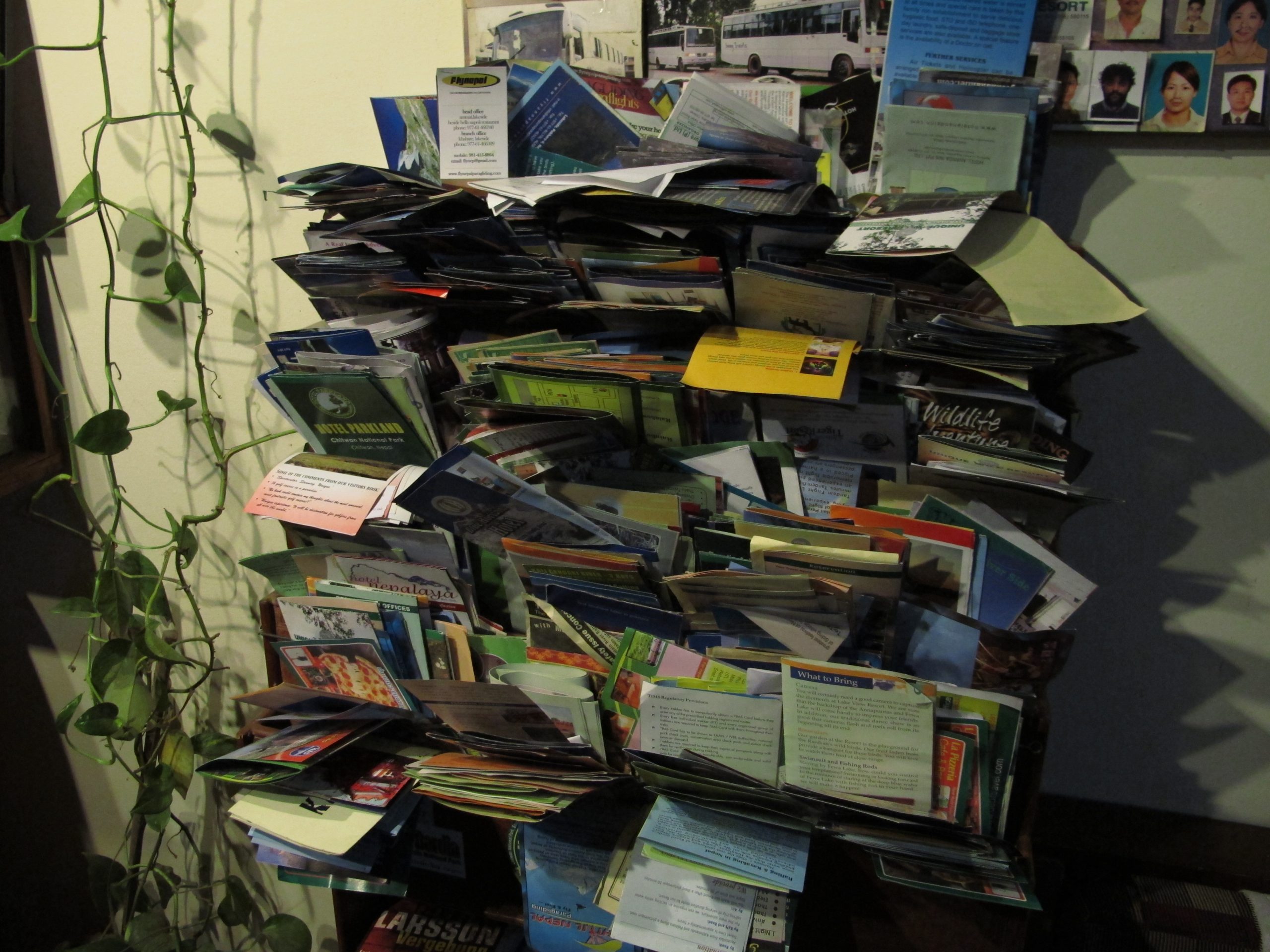
In the weeks leading up to your trip, keep up to date with the current events at your destinations.
Strikes and protests are common in Europe and could impact your transportation or navigating through a city. Adjust your travel plans accordingly.
Political developments could make locals feel a bit tense or angry. You don't need to take any particular stance, but educating yourself on the situation could avoid any unpleasant conversations with locals or officials.
Less likely, but tragic events like disasters or terrorism can occur. If an earthquake damages a town that was part of your itinerary, read official tourism advice on how to best support the recovery of the area—stay away for now, provide donations, or (re-)book with particular hotels or outfitters.
Other Things to Prepare if Time Allows
- Mental Walk-Through: Review your completed itinerary and walk through each day—how you get from your accommodation to the first attraction or meal planned, then to the next, and so forth. You may find a gap in your schedule you hadn't accounted for.
- Research Common Scams: Unfortunately, locals often take advantage of inexperienced tourists by pickpocketing or tricking travelers into paying under false pretenses. Look up "scams at [destination]" to learn and guard against the most common scams.
- Make a Playlist: Get the destination vibes down with KPOP tracks, British pop, or an island rhythms playlist.
- Weather Apps: Get quick access to weather forecasts by bookmarking trip locations in your preferred weather apps each spot on your trip.
- Audio Guides: Download audio recordings you can listen to while walking around your destination or on flights/trains before arriving.
- Filming Locations: Watch movies that feature your destination prominently (think Lord of the Rings for New Zealand or Amélie for Paris).

Check: Weather
Fill in the daily highs, lows, and chance of rain for each day on your itinerary sheet as they become more accurate.
Forward Confirmation Emails
If you’ve been booking several things for your trip over the last few months, you likely received many confirmation emails containing booking reference numbers, tickets with QR codes, or instructions for using a specific app—useful for entering your attractions or if there are any issues retrieving your bookings.
Keep all the those emails together and easily searchable by forwarding all confirmation emails to yourself at the top of your inbox, using a unique tag to find quickly, or placing them in a dedicated email folder. Bonus points for forwarding them in the order that you will need them on your trip.

Contingencies
Finally, with everything planned out, listen to that “anxiety” emotion and try to solve for Murphy's Law—anything that can go wrong will go wrong—and have contingency plans for them. These can be added as notes to your itinerary spreadsheet in the event of:
- A late or rescheduled flight
- Transit strikes
- Unexpected attraction closure or event cancellation
- Poor weather that reschedules or restricts an activity
- A travel group member getting lost
- A lost phone or other essential

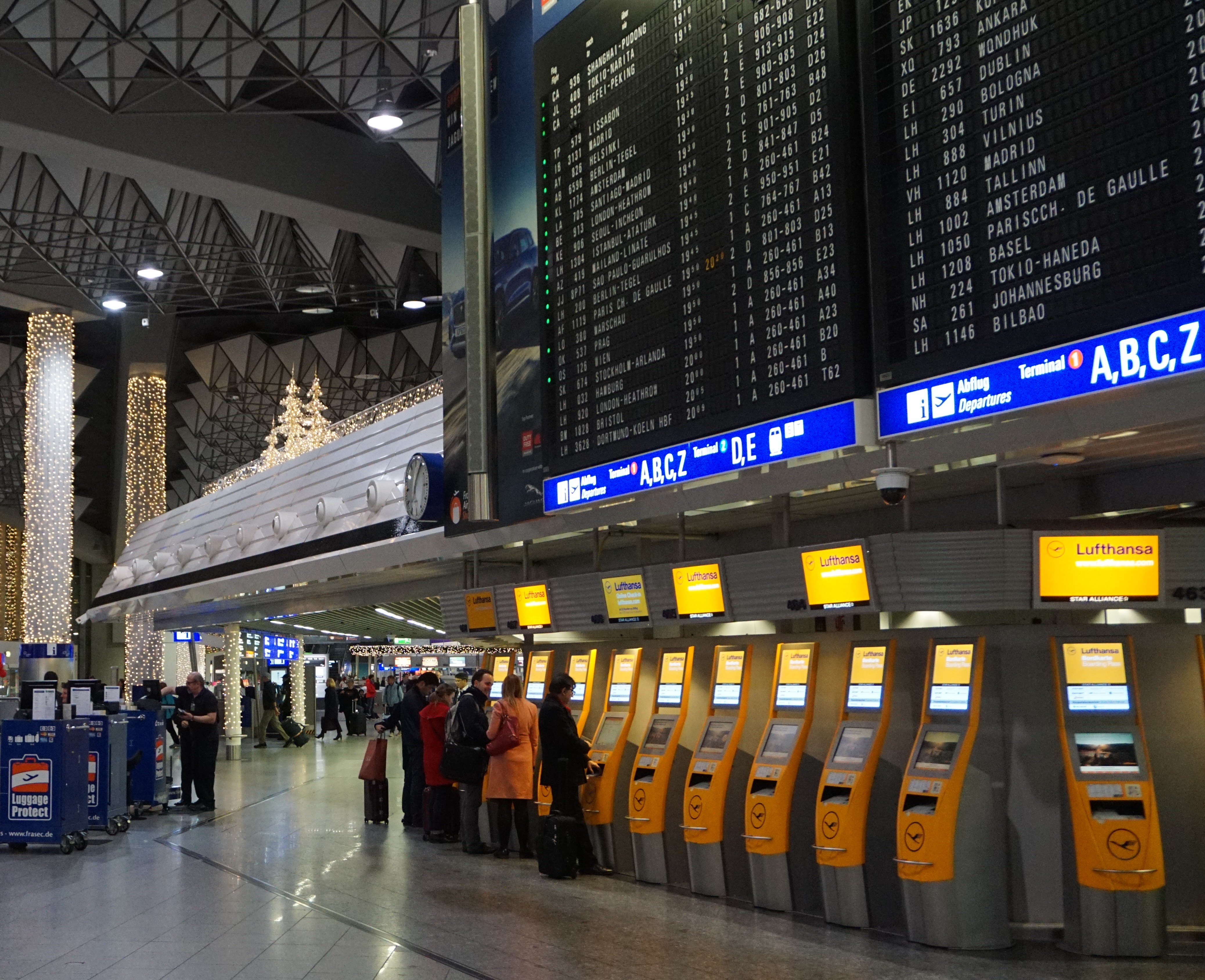
Airline Check-In
Typically 24 hours before your departure time, you will be able to check in to your flight. During this process, make sure you have your travel documents in order in the airline's system, have seats that your group is ok with, and have the airline's app for potentially easier boarding pass access or inflight amenities.
Diligently check the traffic in the few hours prior to your flight, so you have time to finish any work requirements, meet up with any travel companions, and make your way to the airport and through security in a timely manner. Some airports have online estimates of security wait times to better gauge your time.
Bon voyage!